Guide
Where to start with mixing
Five tools that cover ninety percent of the work, and how to think about each one before you touch a fader.
SoftKrtl Editorial · 8 Jul 2026 · 6 min read
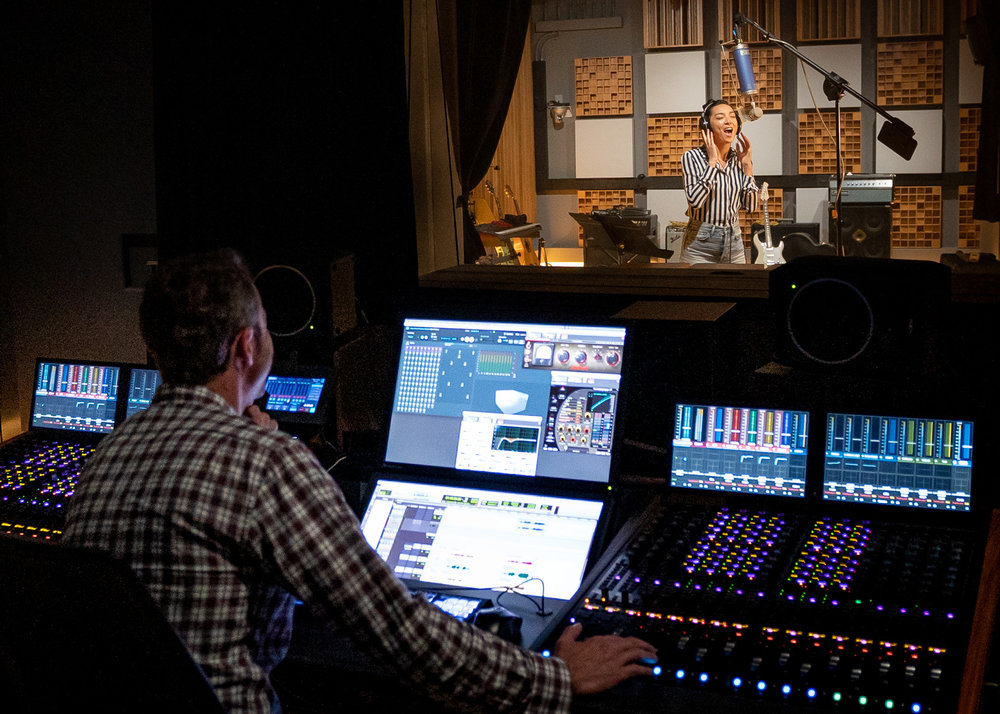
A first mixing chain does not need to be long. Most of what makes a track sit together comes from a handful of moves: balancing levels, shaping tone, controlling dynamics, adding space, and gluing the whole thing at the end. Learn those five and you can mix almost anything.
Balance before anything else
The most powerful tool in any mix is the volume fader. Before you reach for a single plugin, get a static balance that already sounds like a record with everything at unity and no processing. If a part is fighting for attention, turning it down is almost always the first answer, not another plugin.
Shape with EQ, control with compression
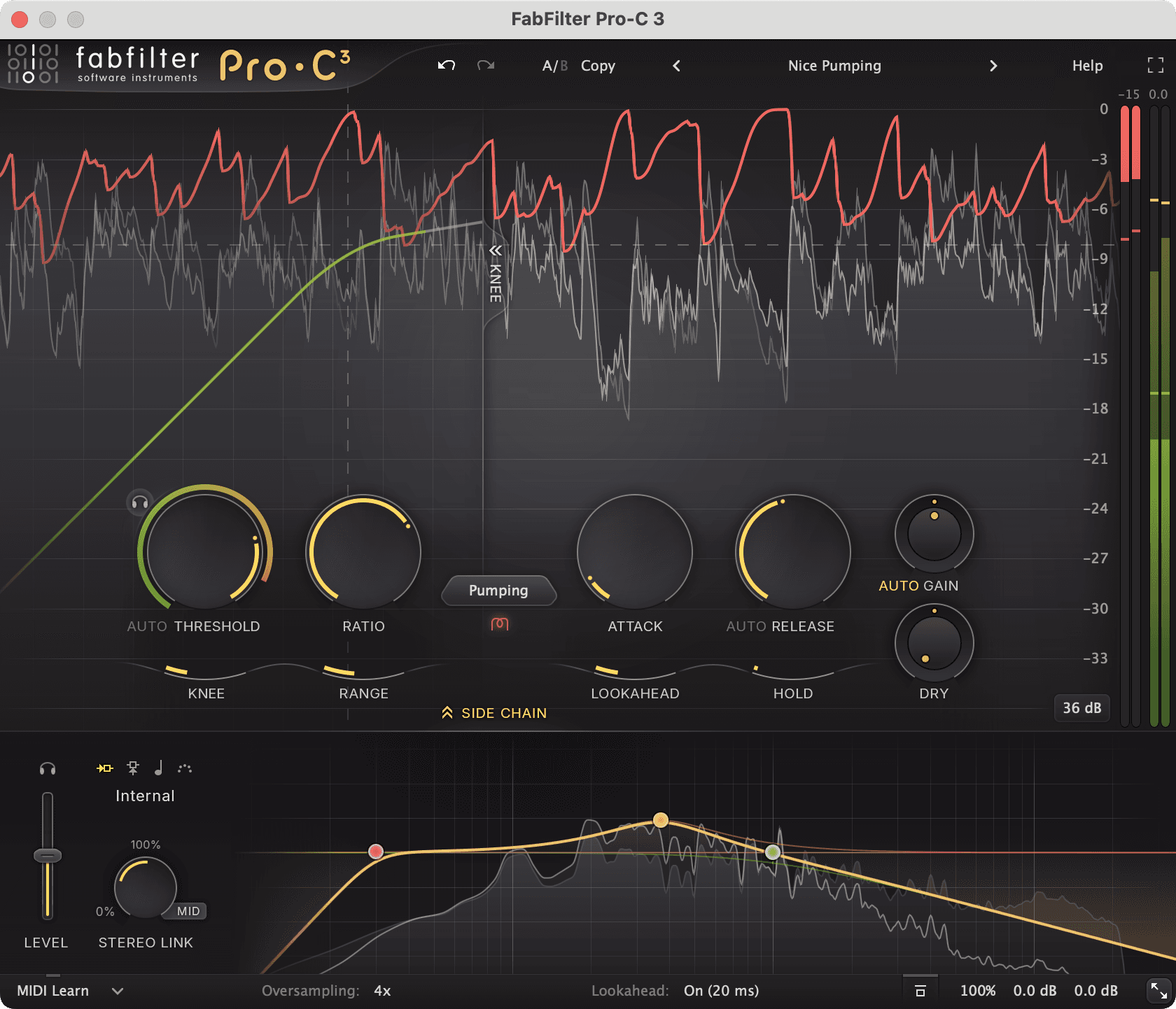
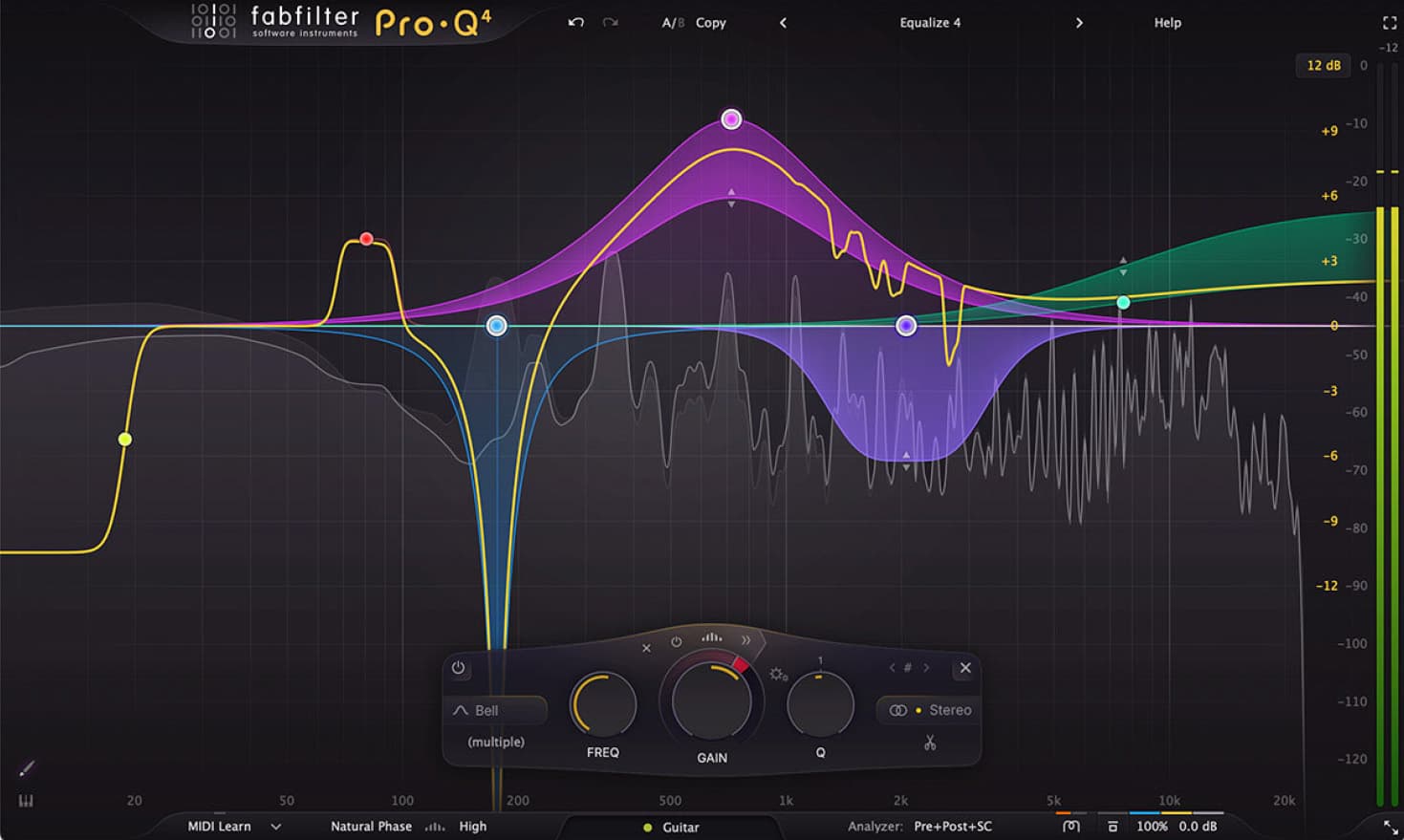
Equalisation carves space so instruments stop masking each other. Compression evens out the peaks so a part stays present without jumping around. A clean, visual EQ and a musical compressor will carry you a long way, and learning to hear what each is doing matters far more than owning dozens of them.
Space, then glue
A touch of reverb or delay places elements at a believable distance and depth. At the very end, a limiter or bus compressor pulls the mix together and sets the final loudness. Keep these last two subtle: they finish a mix, they do not fix one.
The best mixers are not the ones with the most plugins. They are the ones who know exactly what each move is for.
Start with these five roles, get comfortable with one good tool for each, and add complexity only when a song genuinely asks for it.